In this provider spotlight, we’re featuring Dr. Chris Walz, an otolaryngologist at ExcelENT of Alabama…
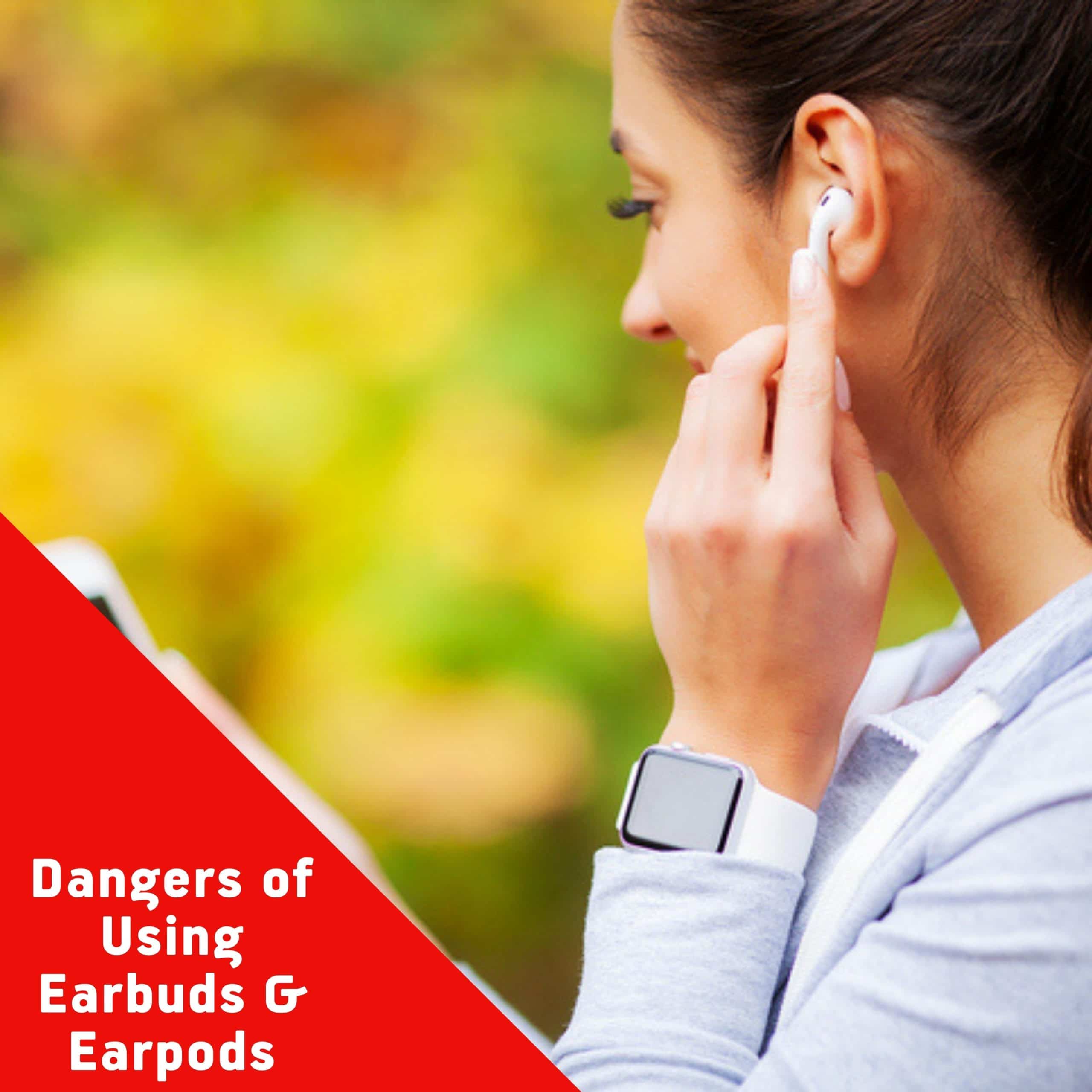
Dangers of Earbud & Earpod Use
From teenagers and adolescents to working adults, everyone is using either earbuds or earpods these days. These options are like tiny speakers that fit inside the ears, and while they are convenient and useful, there are some concerns when it comes to your ears and your hearing.
May is Better Hearing and Speech Month, and it’s the perfect time to address this topic, especially since kids are getting out of school for the summer. They will be looking for ways to keep themselves entertained, and they may be using these products more often.
Dangers of Earbuds & Earpods
The dangers with these products revolve primarily around listening to music that’s too loud and doing so for too long.
These are the two main concerns:
Otitis Externa
This is an ear infection in the ear canal, commonly called “swimmers ear,” and the condition can be caused by repeated, frequent use of in-ear headphones. Options that seal off the ear to eliminate airflow are especially concerning as these can increase the risk of otitis externa. It can be a very painful infection that may require medical treatment.
Noise-Induced Hearing Loss
Sounds at 78 to 132 decibels (dB) have the potential to cause damage to the delicate hair cells that respond to the sounds we hear. This damage can show up as tinnitus (ringing) and/or hearing loss (difficulty hearing and understanding what is said). The louder the sound, the less time it takes to damage your hearing.
Earpods can reach levels of 102 to 112 dB. At levels that high, damage to your hearing can occur in as much as 30 minutes to as little as 2 minutes. As many as one in five teenagers already have noise induced hearing loss from exposure to loud sounds. This is 30% higher than 20 years ago.
Signs that what you’re listening to is too loud:
- You must raise your voice to be heard
- You can’t hear or understand someone that’s three feet away
- Speech around you sounds muffled or dull after you leave the noisy area
- You have pain or ringing in your ears after you hear the noise (tinnitus) that lasts for a few minutes or a few days
How to Protect Hearing When Using Earbuds or Earpods
During the month of May and throughout the summer, be sure that what you are listening to and what your children are listening to is not too loud. For kids especially, the time they spend each day using earbuds or earpods should be limited.
Here are some specific things you can do to protect your hearing:
- Frequently wash earbuds with rubbing alcohol and allow them to dry completely before putting them back in the ear.
- Use bone conduction headphones that leave the ear open and do not create an environment that’s ideal for infections to grow.
- Set a volume limit on phones or tablets to reduce your exposure to loud sounds.
- Take a break from listening to music with earbuds or earpods.
- Give your ears time to rest and recover from exposure to sound so you will avoid hitting that “maximum noise dose” that puts you at greater risk for hearing loss and tinnitus.
- Wear earplugs when around loud sounds, such as when you are doing yard work, going to concerts, sporting events, and more.
- Consider having custom earplugs made that are more comfortable than standard foam ear plugs.
- Get an annual hearing test or a baseline test so you can track your hearing health.
Check Your Hearing or Address Hearing Problems at ExcelENT of Alabama
Remember that there is no cure for hearing loss or tinnitus, so it’s crucial that you protect your hearing starting as early as possible. You want your hearing to last a lifetime! If you’d like to schedule a hearing test or baseline test, we can help you with that at ExcelENT. Schedule an appointment online, or call to discuss coming in at a time that’s best for you: 205-988-6858.
FAQs: Dangers of Earbud & Earpod Use
People Also Ask
Can earbuds and earpods actually damage your hearing?
Yes. The main dangers come from listening to music too loud and for too long. Earpods can reach levels of 102 to 112 decibels, and at that volume, hearing damage can occur in as little as 2 minutes to 30 minutes. As many as one in five teenagers already have noise-induced hearing loss from loud sound exposure, which is 30% higher than 20 years ago.
What health problems can earbuds and earpods cause?
The two main concerns are otitis externa and noise-induced hearing loss. Otitis externa is an ear canal infection, commonly called swimmer’s ear, that can result from repeated, frequent use of in-ear headphones, especially models that seal off the ear and eliminate airflow. Noise-induced hearing loss comes from loud volume damaging the delicate hair cells in the ear, which can show up as tinnitus (ringing) or difficulty hearing and understanding speech.
How loud is too loud when using earbuds?
Sounds between 78 and 132 decibels can damage the hair cells responsible for hearing, and the louder the sound, the faster the damage happens. You’ll know it’s too loud if you have to raise your voice to be heard, you can’t understand someone three feet away, speech sounds muffled or dull after you leave, or you have pain or ringing in your ears afterward that lasts minutes or days.
How can I protect my hearing while using earbuds or earpods?
Keep the volume down and limit listening time, especially for kids. Clean earbuds frequently with rubbing alcohol and let them dry fully before reinserting, consider bone conduction headphones that leave the ear open, set a volume limit on phones or tablets, take regular listening breaks so your ears can recover, wear earplugs around loud sounds like yard work or concerts, and get an annual or baseline hearing test to track your hearing health.
Why does sealing off the ear with earbuds increase infection risk?
Earbuds that seal the ear canal eliminate airflow, which creates a warm, moist environment that’s ideal for bacteria to grow. This raises the risk of otitis externa (swimmer’s ear), a painful ear canal infection that may require medical treatment. Bone conduction headphones, which leave the ear open, avoid creating that environment.
Is noise-induced hearing loss permanent?
Yes. There is no cure for hearing loss or tinnitus, which is why protecting your hearing starting as early as possible is so important. The good news is that most noise-induced hearing loss comes from preventable situations, so listening at appropriate volumes and limiting exposure can keep your hearing healthy for a lifetime.
When should I see an audiologist about my hearing?
You should see an audiologist at least once every decade, but go sooner if you’re having issues. Treat these signs as urgent: muffled or distorted hearing that lasts an extended period, ongoing difficulty hearing or understanding conversations, alarms, or doorbells, or tinnitus (ringing in the ears). It’s also wise to see one right after a loud blast or long exposure to high-volume noise, since prevention beats treatment.
Related Posts